Refrigerator troubleshooting: not cooling, leaking, noisy, ice maker problems
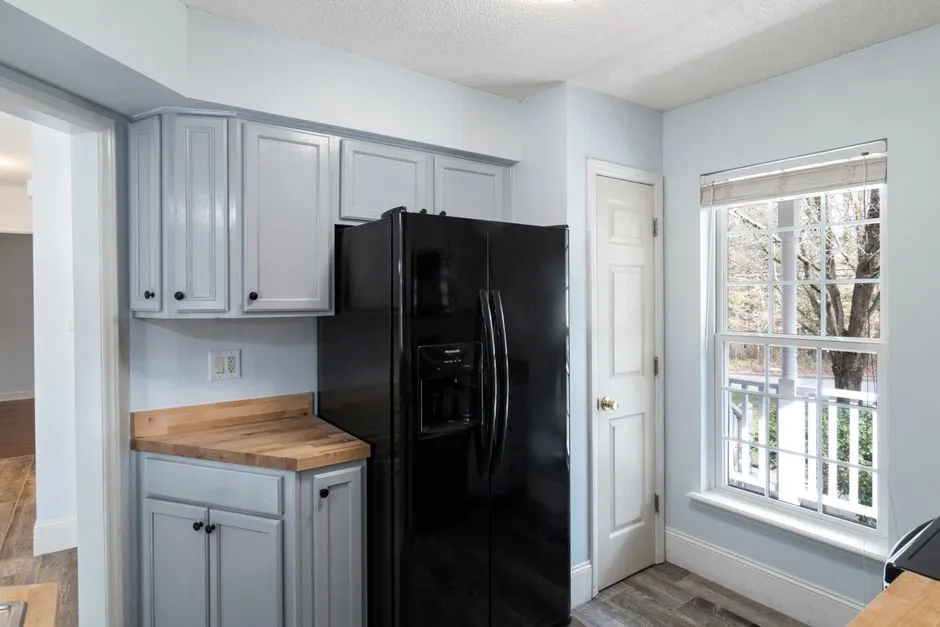
Refrigerators are the appliance most worth diagnosing carefully — a working five-year-old fridge usually has another decade of life left if a single component is replaced, while replacements average over a thousand dollars. The list below covers the patterns that produce ninety percent of paid service calls. Always unplug before reaching behind the unit, and let any sealed-system work go to an EPA-certified technician.
The problems
1. Not cold enough or warming over time
Start with the easy stuff: condenser coils caked with dust (they're under or behind the unit; clean every six months), the door not sealing fully, vents inside the cabinet blocked by tall containers, or the temperature dial bumped warmer. If those are clean, the next suspect is the condenser fan motor or evaporator fan motor — either one failing kills cold air movement. Open the freezer with the door switch held in: you should hear the evaporator fan running. If you don't, it's the fan or the control board.
2. Freezer is cold but fridge is warm
Classic symptom of a frozen evaporator coil (the coil ices over and air can't pass) or a failed evaporator fan motor. Pull the freezer back panel and look — if the coils are a solid block of ice instead of having air gaps, the defrost system has failed: defrost heater, defrost thermostat, or defrost timer/control. Manually defrost overnight with the unit unplugged, then replace the failed defrost component.
3. Leaks water onto the floor
Most fridge leaks come from a clogged or frozen defrost drain at the back of the freezer floor. Defrost water collects in a small drip pan that lives over the compressor and evaporates from the heat — when the drain hole freezes shut, the water comes out the door instead. Thaw and clear the drain with hot water and a turkey baster. Other sources: ice maker water line connection, water filter housing, or filter that wasn't installed straight.
4. Ice maker won't make ice
In order of likelihood: water filter is past its expiration and starving the maker, water line shutoff isn't fully open, water inlet valve has failed (test for 120V across the coil while the maker is in fill cycle), the maker module itself has failed, or the freezer is too warm (must be 0°F to 5°F for normal cycles).
5. Ice tastes bad or smells
Water filter is exhausted — replace every six months regardless of indicator. Also dump the bin, wash with mild soap, and run several cycles to flush. Strong onion or garlic smell? Old ice absorbs odors; toss it and replace baking soda in the fridge.
6. Loud or unusual noise from the back
Buzzing or grinding from the back is the condenser fan (most common) or the compressor itself (least good news). Click-then-silence repeating every few minutes is the compressor's overload protector cycling — usually a failing start relay (cheap) or a dying compressor (not cheap). A high-pitched whine inside the freezer is the evaporator fan with a worn bearing.
7. Water dispenser dribbles or won't flow
Water filter expired, water line frozen at the door (especially if freezer is set very cold), inlet valve failed, or dispenser switch failed. On in-door water systems, the line in the door can freeze — turn the freezer up a few degrees and try again.
8. Doors won't close fully
Worn door gasket, fridge not level (front should be slightly higher than back so doors swing closed), or hinges sagging. A dollar-bill test: close the door on a bill — if you can pull it out without resistance, the gasket has failed.
9. Frost buildup inside freezer
Door not sealing, defrost drain frozen, or the door has been left open. On freezers with auto-defrost, frost building up means the defrost heater or thermostat has failed.
10. Compressor runs constantly
Dirty condenser coils, failed door gasket, low refrigerant charge (sealed-system work), or thermostat stuck calling for cold. Clean the coils first — that's the single most common cause and the cheapest fix.
Routine maintenance
- Vacuum or brush condenser coils every six months
- Replace water filter every six months
- Clean door gaskets with mild soap quarterly
- Empty and clean the drip pan annually
- Check that the unit is level — front slightly higher than back
- Don't overload — air must circulate around items in both compartments
When to call a technician
Anything involving refrigerant (sealed system) requires an EPA-certified technician. If the compressor itself has failed on a unit more than seven years old, replacement is usually the better economic choice. A fridge that's warm but the compressor is hot to the touch and not running is almost always a failed start relay or capacitor — a five-minute, $30 repair.
Related manuals on this site
Free PDFs from the Internet Archive.