How to read appliance error codes
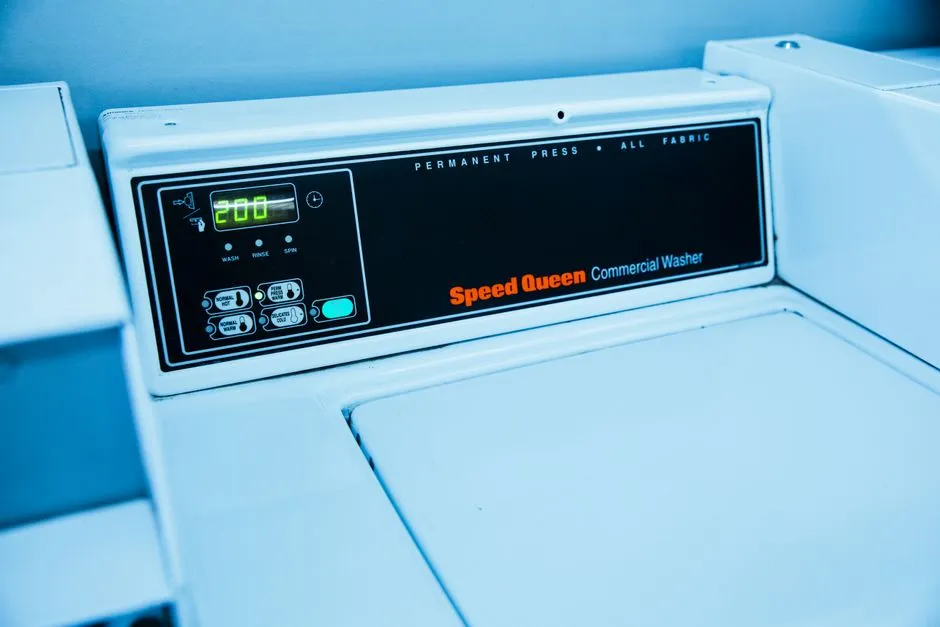
Every manufacturer uses its own error code system, and the same code means different things across brands. But a handful of patterns repeat across the industry, and once you recognize them you can usually narrow the cause to one or two components before opening the manual. The service manual for your specific model is always authoritative — this guide is just orientation.
Where the codes appear
Digital displays show codes as letters and numbers (F1, E04, LE). Older units use a flashing LED — count the long flashes for the first digit, short flashes for the second. The LED is usually behind a small viewing window on the cabinet. Smart appliances often surface codes in the companion app, sometimes with translations the appliance display doesn't have.
Letter prefixes and what they usually mean
F or FE: function or fill error — usually the inlet valve, water pressure switch, or fill timing. E: electronic or general error — depends on the digit. LE: lock error or motor error (locked rotor) — often a stuck door lock, jammed motor, or failed Hall sensor. UE or UB: unbalanced — load redistribution, suspension, or shock absorbers. OE or 5E: outlet/drain error — pump, hose, or check valve. SUD or SD: suds detected — too much detergent or wrong type. HE or HC: heater or hot water — heating element, thermistor, or water temperature mismatch.
How to clear a code
Codes that result from a real fault won't clear until the fault is fixed. To clear a transient code (something that won't repeat), unplug the appliance for sixty seconds, plug back in, and try again. If the code returns immediately, the fault is real.
Common test points the manual will reference
Resistance values for the heating element, thermistor, motor windings, and door lock; voltage at the motor leads, water inlet valve, and heating element; continuity at the door switch, lid switch, and centrifugal switch; pressure switch tubing for kinks. The service manual lists exact values; off-spec readings are your part to replace.
When the code is the symptom not the cause
Many codes ('drain too slow,' 'fill too long,' 'overheating') indicate that a system isn't operating within tolerance — but the actual cause is upstream. A fill timeout might be a clogged inlet screen, not a failed valve. An overheating code might be a clogged condenser, not a failed thermostat. Always check the easy things first.
Find your model's service manual on this site, look up the code in the index, and follow the troubleshooting flow chart. Manufacturers spend significant engineering effort on diagnostic trees — they are often the difference between a one-hour repair and a wild parts swap.