Appliance repair vs replace: when each one makes sense
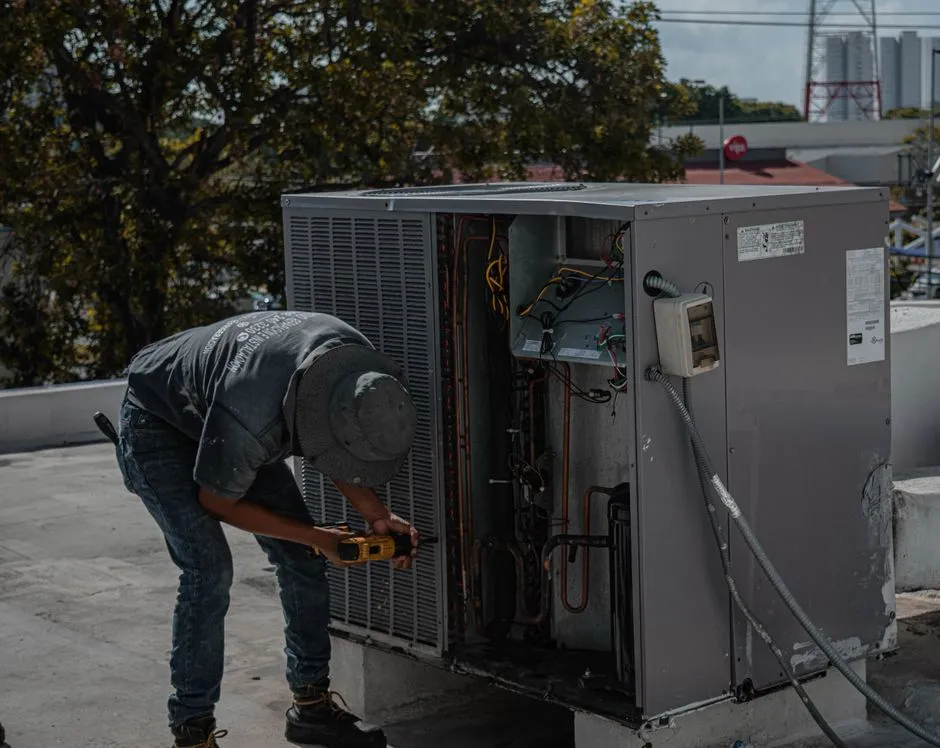
There's a popular rule of thumb that says replace any appliance more than half its expected life that needs more than 50% of replacement cost in repairs. It's a fine starting point, but it ignores the most important variables: which part failed, how the unit has been maintained, and whether you can do the work yourself. The breakdown below is more useful.
Always repair (the part is cheap and the appliance is otherwise fine)
Igniters, flame sensors, capacitors, contactors, thermal fuses, drain pumps, door gaskets, belts, idler pulleys, dryer rollers, dishwasher pumps, refrigerator start relays, water inlet valves, surface igniter switches, oven temperature sensors, water filters. Most of these are under $50 and an hour of work. There is no scenario where it's better to replace a $1,500 refrigerator because a $30 start relay failed.
Repair if the unit is under seven years and well-maintained
Heating elements, evaporator fans, condenser fans, control boards, dryer drive motors, washer drive motors, dishwasher heating elements, range bake elements. These are mid-priced parts ($50 to $250). The labor — for a technician — is what makes the bill, so the math is much better if you DIY.
Carefully consider replacement
Washing machine drum bearings, refrigerator compressors, sealed-system refrigerant work, range glass cooktop replacement, dishwasher tub leaks, microwave magnetron failures (on units under $300 new), cracked HVAC heat exchangers. Repair costs approach or exceed replacement, and the next failure isn't far behind.
Replace
Anything where the cabinet, tub, or pressure vessel itself has failed; HVAC units more than fifteen years old (efficiency gains pay for replacement); microwaves under $200 new; and any appliance where you've already had two service calls in two years.
The maintenance multiplier
An appliance that's been maintained — coils cleaned, filters changed, gaskets wiped, descaled regularly — typically lasts 50% longer than one that hasn't. If the unit was abused, treat its current age as 1.5x the actual age when running this calculation.
The DIY multiplier
If you're doing the work yourself, the part cost is the only cost. A $200 control board is a marginal repair when a technician adds $250 in labor; it's an obvious repair when you're pulling the panel yourself. Most appliances have YouTube teardown videos and the service manuals on this site walk you through the procedures.
When in doubt, look up your model's service manual and read the parts list. The manufacturer typically tells you which subassemblies are field-replaceable — that list is your repairability ceiling. If the part you need isn't on it, the unit isn't designed to be opened, and replacement is the right call.